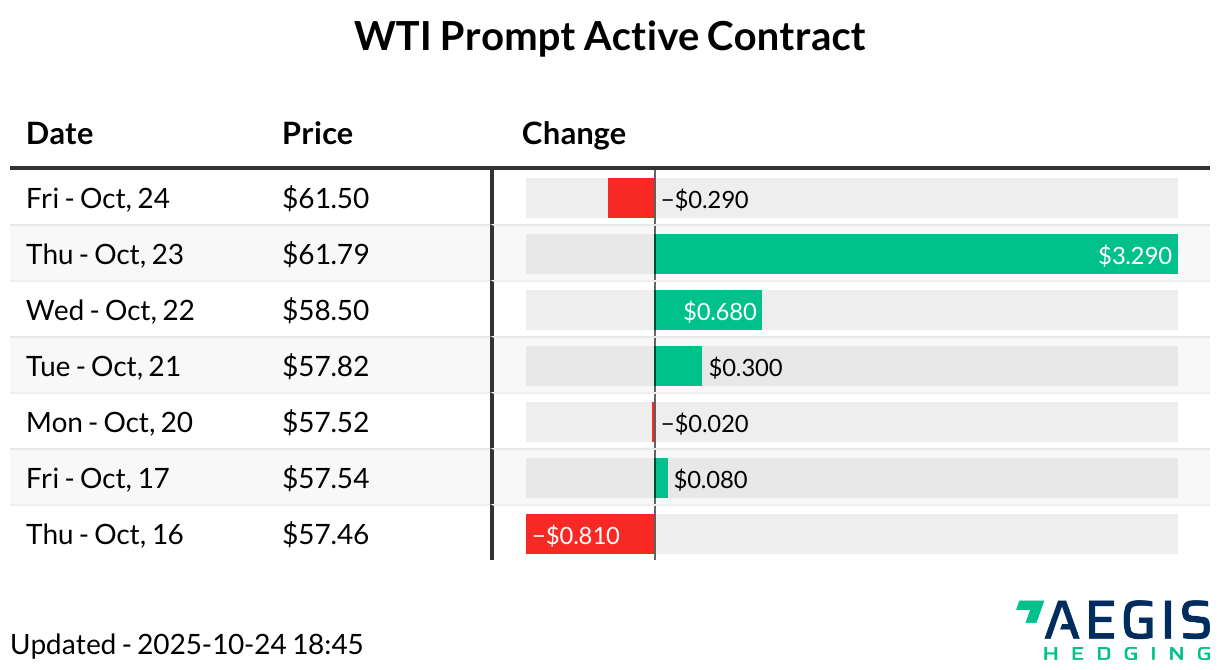
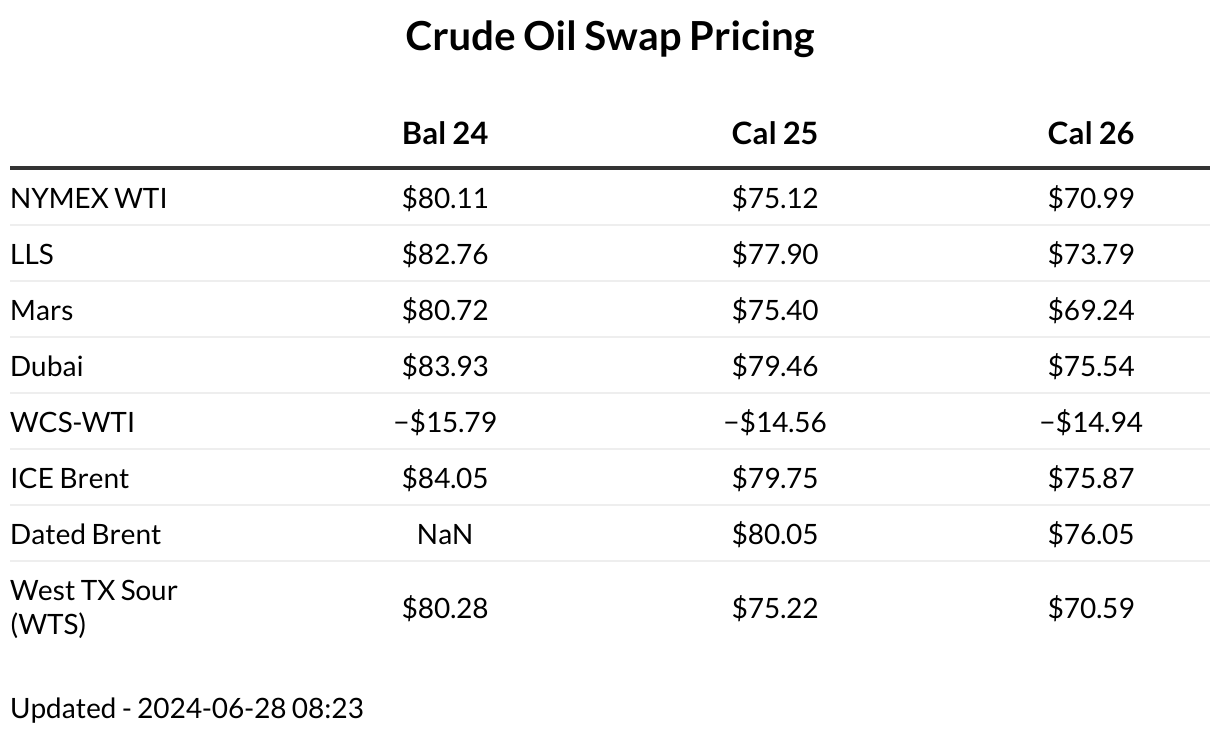
The WTI prompt-month contract climbed $1.30 to $66.49/Bbl in Thursday morning trading (7:30 AM CT)
Prices built on the prior session’s sharp advance as concerns grew that tensions between the US and Iran could escalate toward open conflict
Axios reporting on Wednesday indicated a significant US military operation in the Middle East may be approaching, with Israel advocating for a strategy aimed at destabilizing Iran’s current leadership
The expanding US military presence in the region suggests Tehran’s opportunity to secure a diplomatic resolution tied to its nuclear program may be narrowing, according to the head of the UN’s nuclear monitoring body
Ongoing breakdowns in key communication channels continue to shift the balance toward potential military confrontation, RBC analysts noted
Elevated geopolitical risk is increasingly reflected in oil market positioning
According to Bloomberg, upside-focused options have traded at sustained premiums to downside protection for much of the year, and roughly 10 MMBbl of Brent June $100 calls reportedly changed hands midweek
Industry data from the American Petroleum Institute indicated US commercial crude inventories declined by roughly 609 MBbls last week
Official government figures from the EIA are scheduled for release later Thursday following the holiday-shortened reporting week
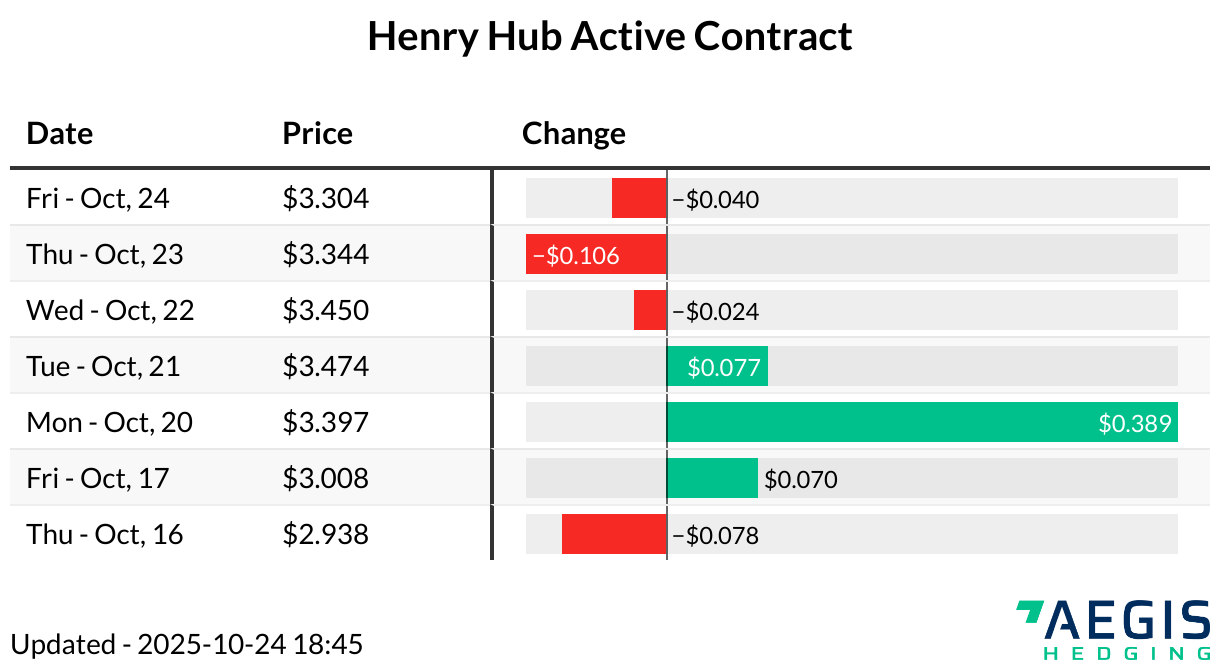
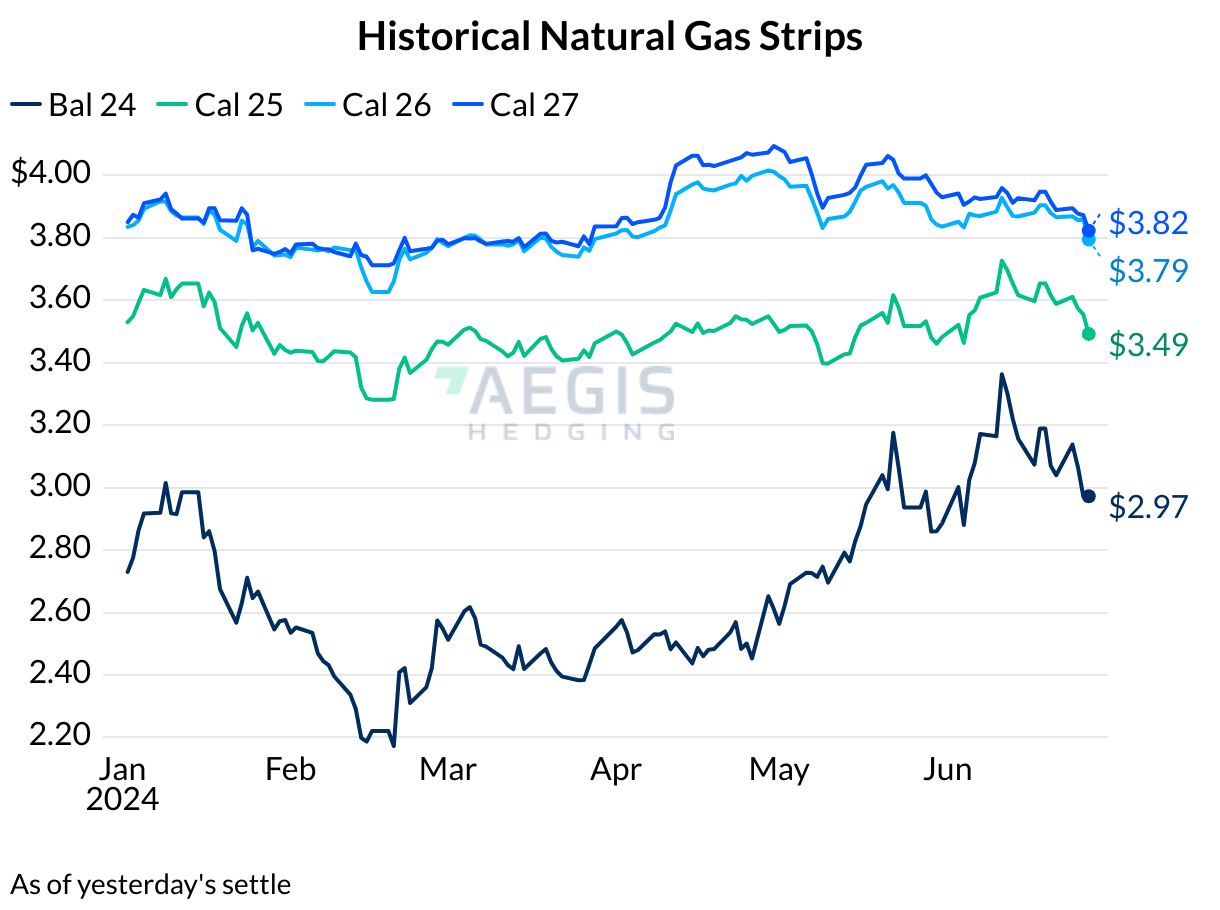
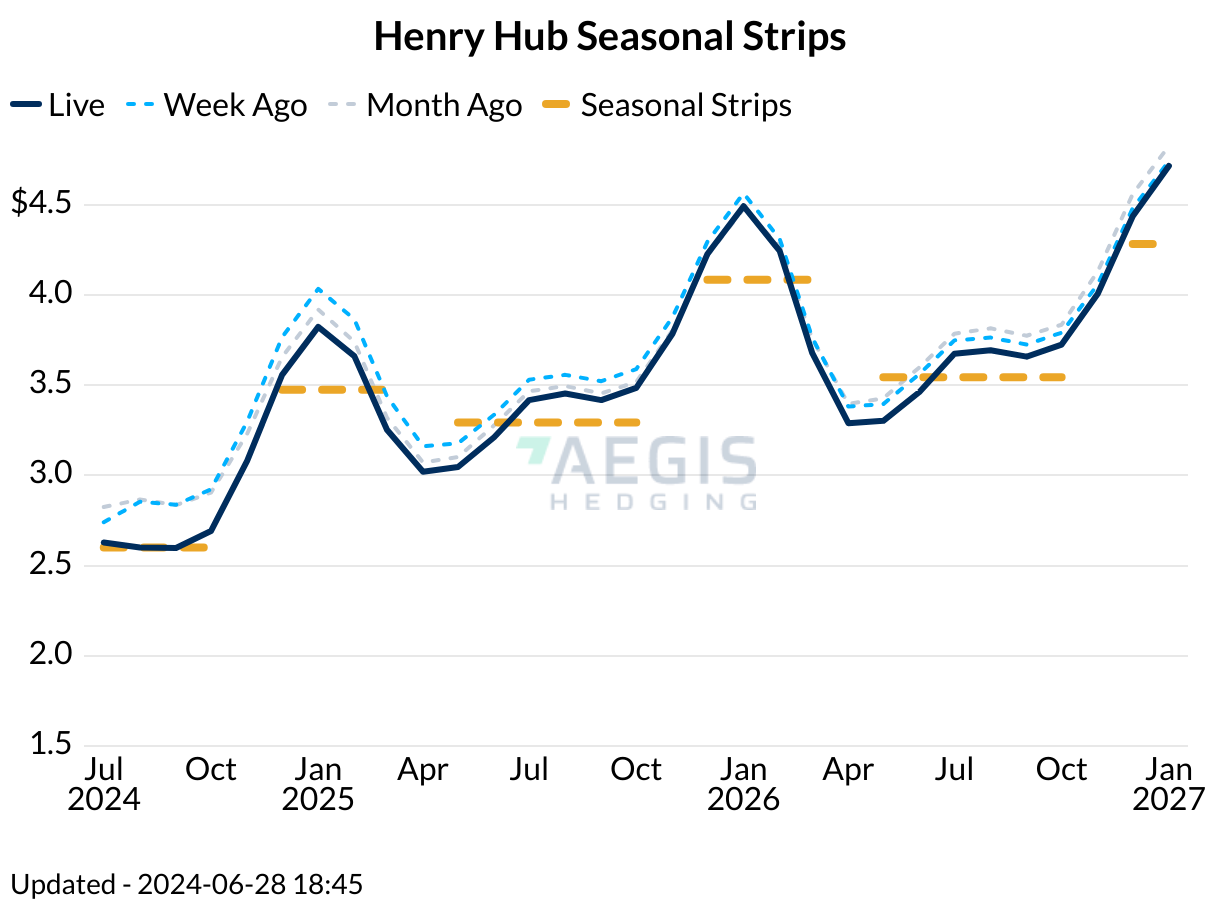
Natural gas prompt month is up 5.0c to $3.061/MMBtu. (As of 07:45 AM CDT)
Weather forecasts came in colder today, adding another forecasted +15 Bcf gain in demand over the two-week outlook (Criterion)
The largest temperature drops were centered in the Northeast and Midwest in the 11-15 day range, both losing over 20°F in this range
The West Coast and Rockies regions continue to warm, gaining in the 6-10 day range to partially offset the losses east of the Rockies
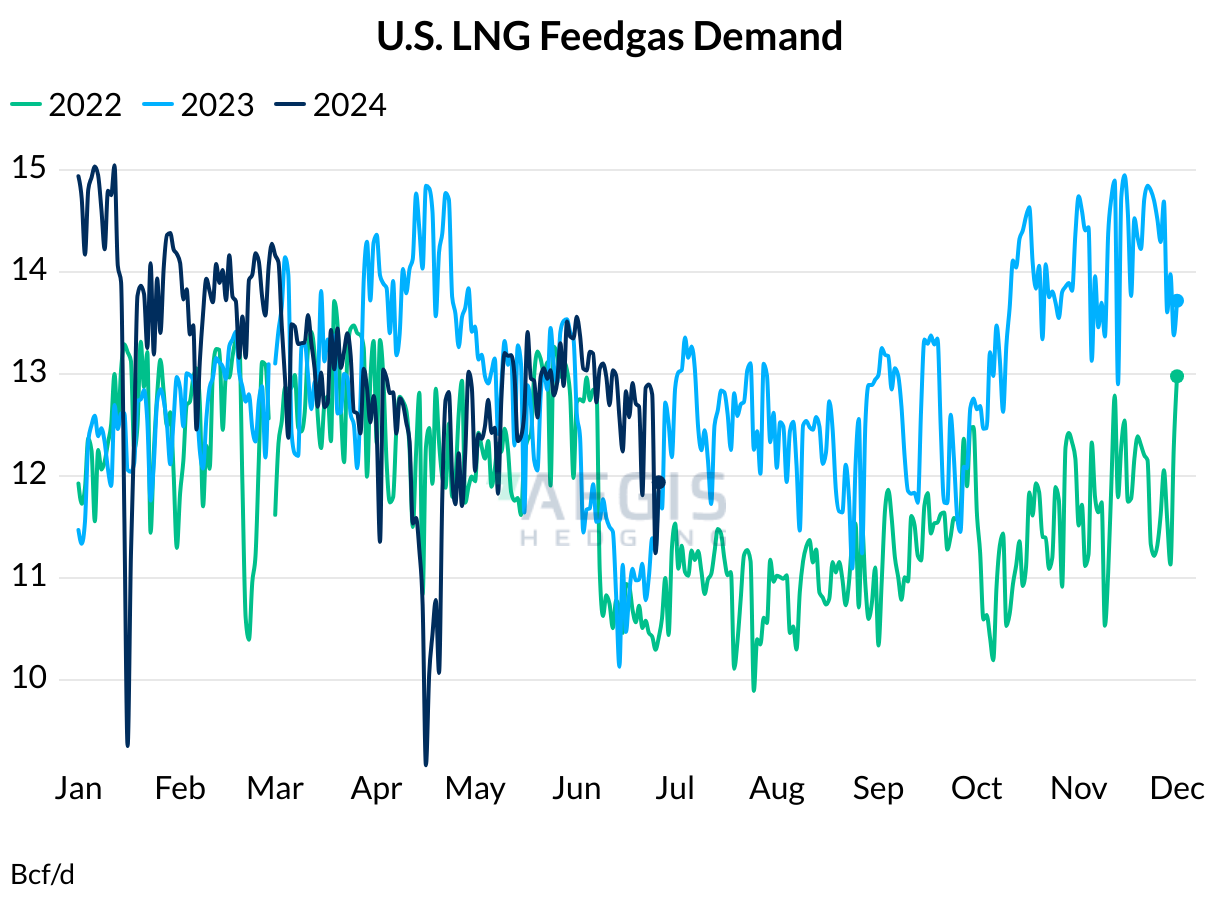
LNG feedgas demand remains strong, sitting above 20.1 Bcf of demand this morning (S&P)
Golden Pass has ramped up above 300 Mcf/d of feedgas demand this morning
Energy Transfer’s Permian Basin pipeline could start ahead of schedule (S&P)
Energy Transfer’s Hugh Brinson Pipeline is ahead of schedule and expected to start flows ahead of officially starting service in Q4 of this year according to executives
Phase one will add 1.5 Bcf/d of egress capacity from the Permian to the DFW area, this is what is expected in Q4
Phase two, still scheduled for Q1 2027, will increase capacity to 2.2 Bcf/d
Get market insights delivered to your Inbox every day!