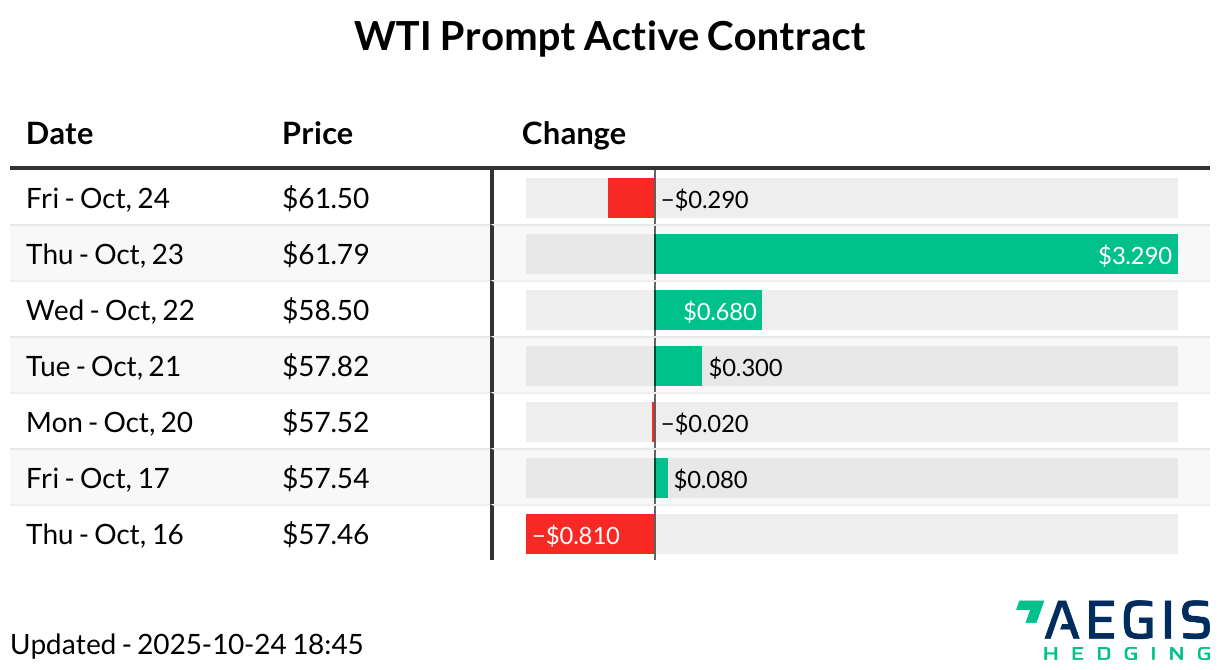
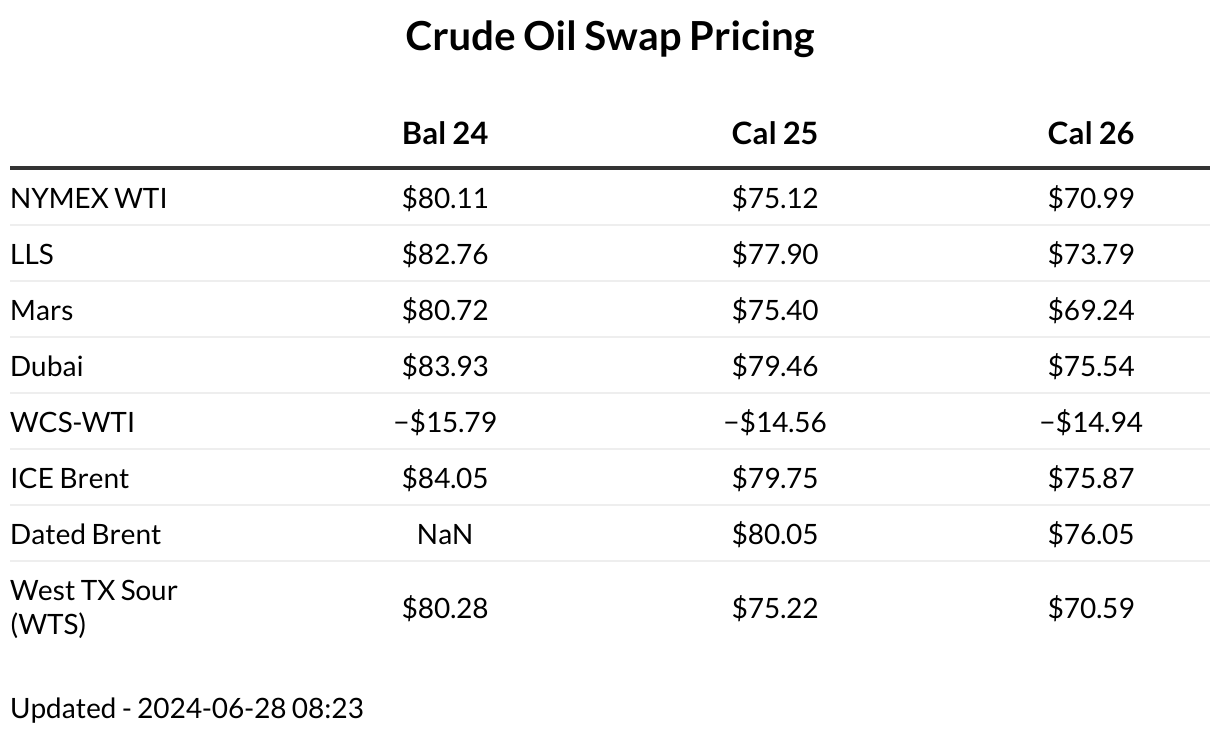
The WTI prompt-month contract jumped $5.34 to $72.36/Bbl on Monday morning (7:30 AM CT)
Oil posted its largest intraday gain in roughly four years after tanker movements slowed sharply through the Strait of Hormuz, as intensifying regional fighting raised fears of supply disruptions in one of the world’s most critical export corridors
The pace at which flows resume through Hormuz is pivotal for global energy markets, given the chokepoint carries roughly 20% of worldwide crude and condensate shipments
JPMorgan estimates that a disruption lasting about 25 days would strain onshore storage capacity in key producing nations, potentially forcing output curtailments
Jorge Leon of Rystad Energy noted that a prolonged shipping outage spanning weeks or months could propel crude toward $100/Bbl
Prices have not advanced further in part because global supply balances have been relatively comfortable over the past year, providing some cushion against immediate shortages
OPEC+ presses ahead with output increases
Over the weekend, OPEC+ convened and agreed to lift production targets next month by 206 MBbl/d
The alliance had signaled plans to gradually unwind voluntary cuts prior to the latest escalation, and for now appears to be maintaining that trajectory despite rising geopolitical risk
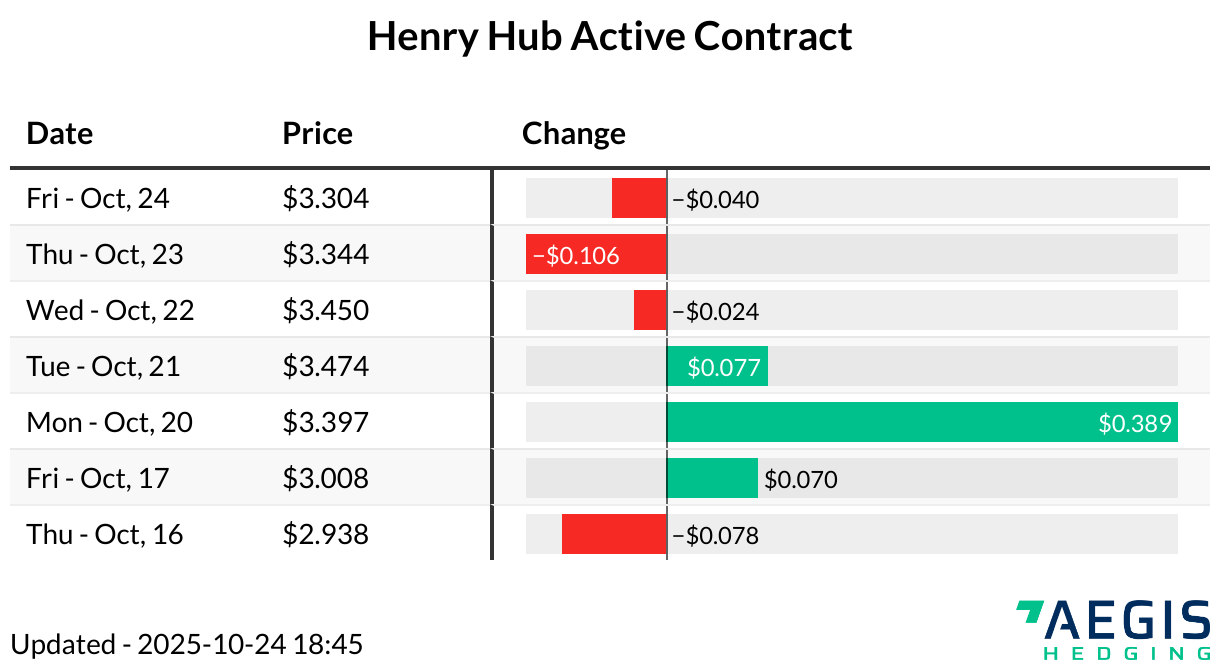
Natural gas prompt month up 18.0c to $3.039/MMBtu. (As of 07:30 AM CT)
A few days of cold impacted the Northeast/Midwest, tightening balances to start the week (Criterion)
Lower-48 population-weighted temperatures are forecast to elevate above the 10 year average this week, and into next, before returning to average late in the forecast period
While the net change in forecasts is bearish relative to friday, the days added to the forecast in the 11-15 day period are below the ten-year average
March is still forecast to be one of the top three warmest of the past 25 years
Global gas prices up on stranded LNG
TTF (Europe) and JKM (Asia) surged this morning on LNG disruptions
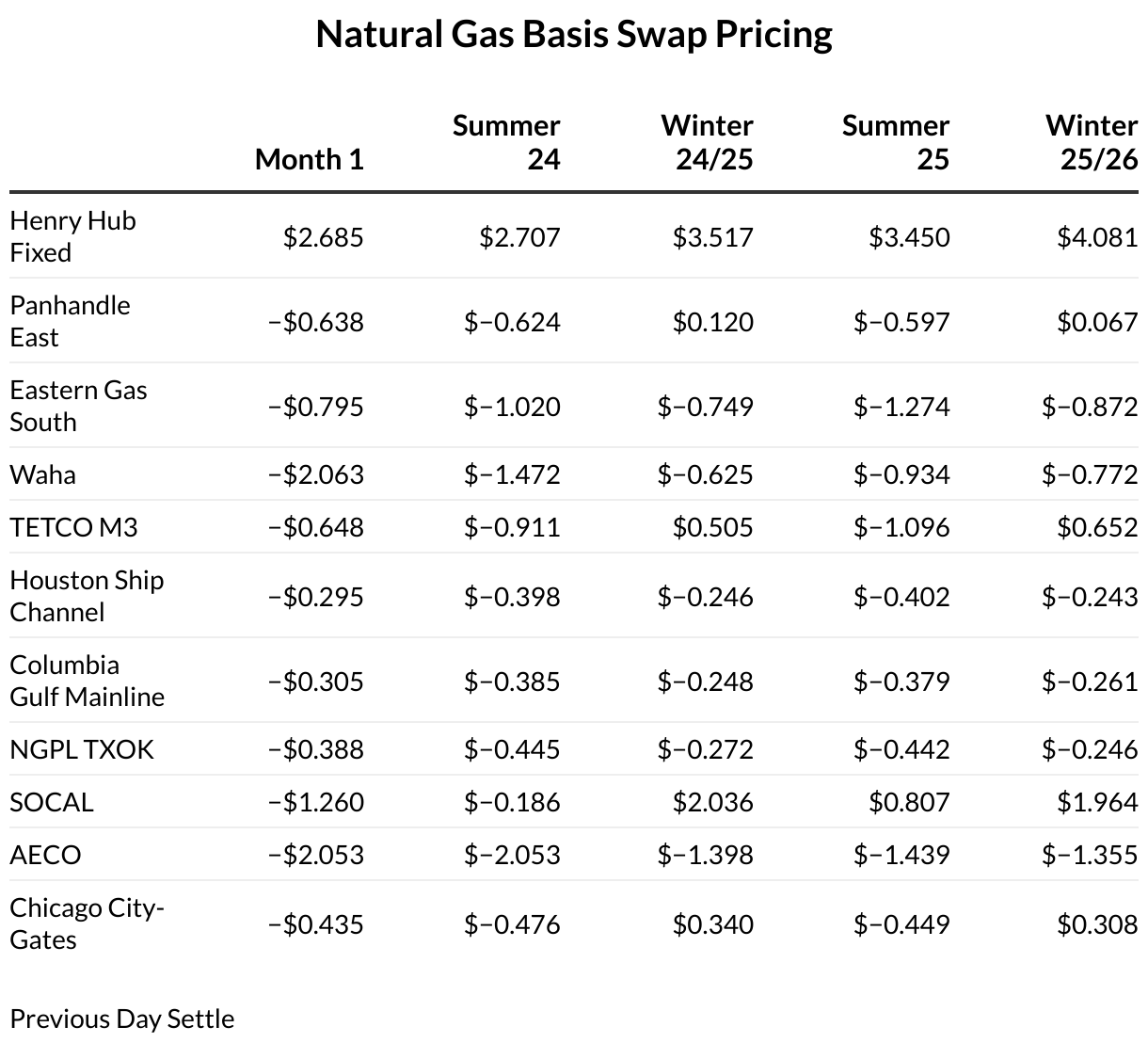
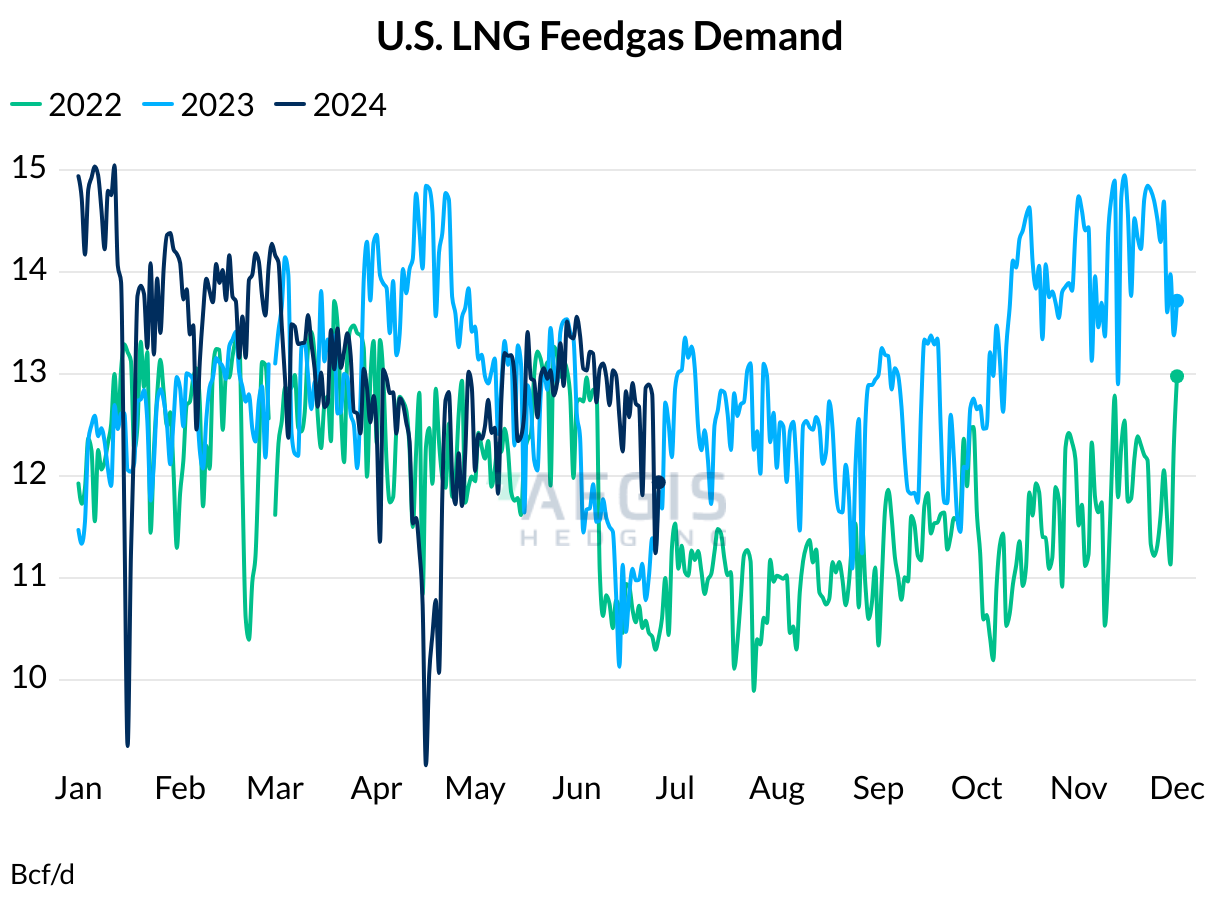
This should have little to no impact on Henry Hub prices, at least in the near-term, as US LNG exports are already at capacity
The Strait of Hormuz is in a de facto blockade
While more impactful for crude, this still has effects on global natural gas markets
About 20% of seaborne LNG trade is blocked behind the strait or Hormuz, 14 carriers stalled near the strait
Qatar’s 10.4 Bcf/d of exports is stuck behind the chokepoint
QatarEnergy halts LNG production at the world’s largest LNG facility, Ras Laffan Complex
A drone attack on this facility has also prompted QatarEnergy to declare force majeure (Bloomberg)
Asian buyers work to accelerate delivery of LNG shipments before wider market impacts
Get market insights delivered to your Inbox every day!