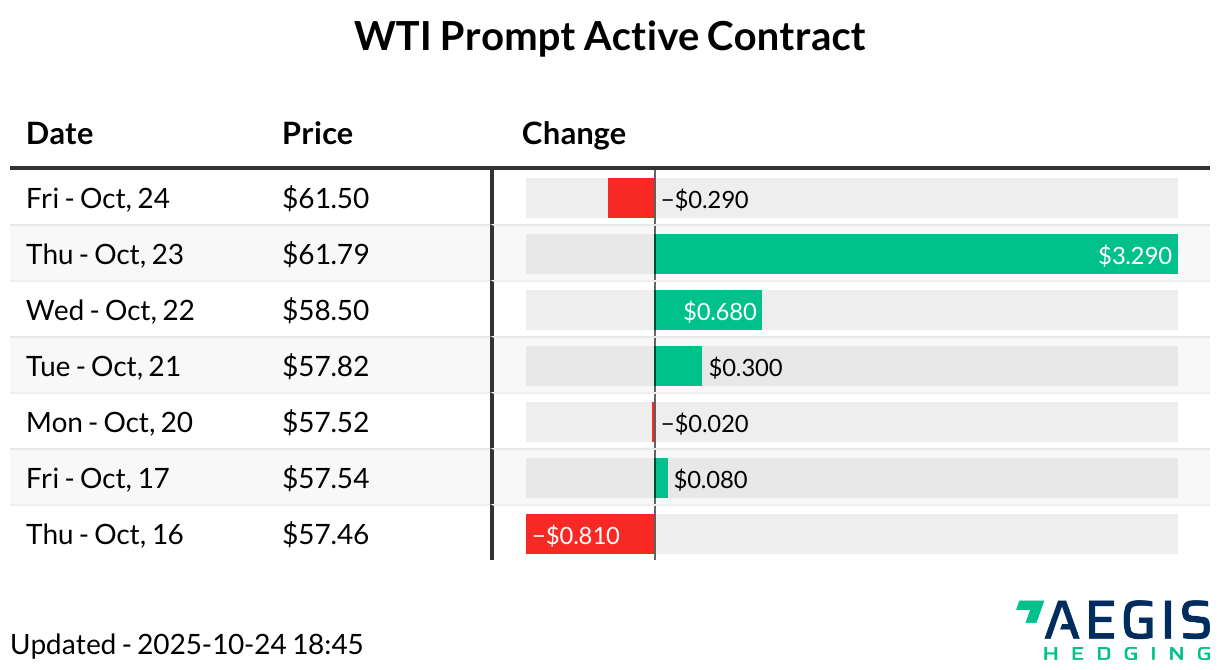
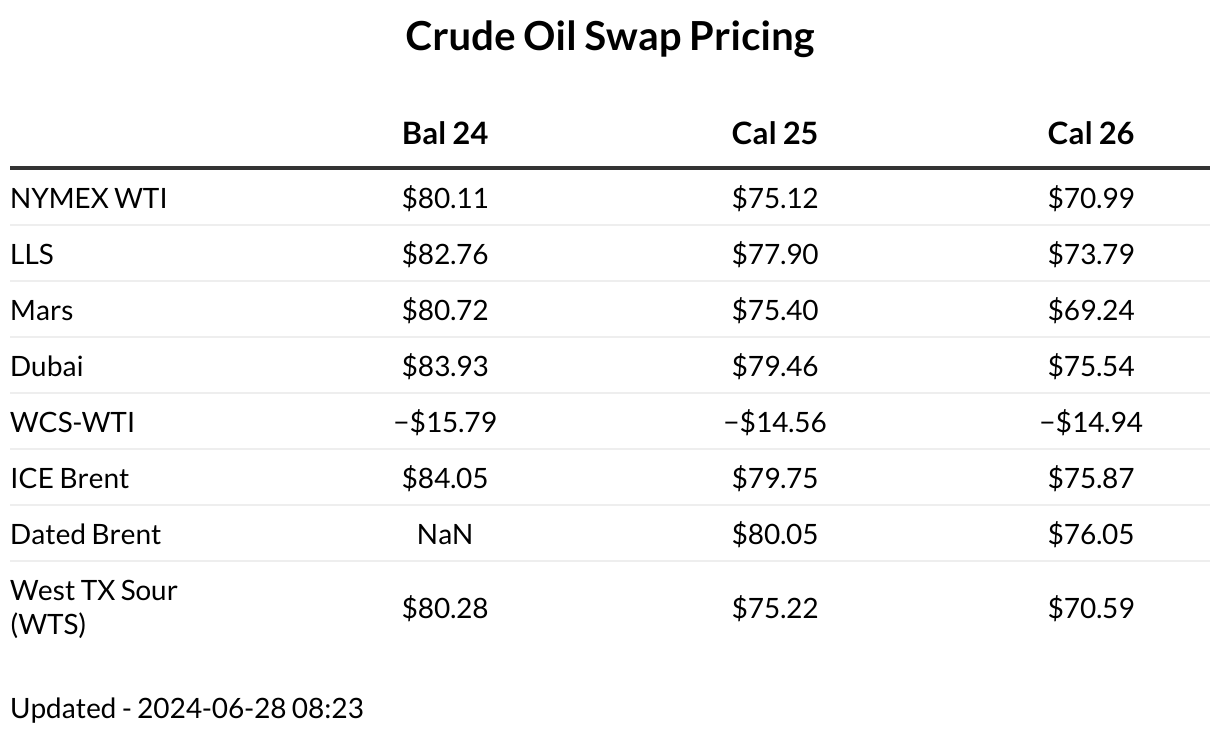
Oil prices were trading lower Wednesday morning, down 45c to $56.65/Bbl (7:27 AM)
News of significant progress in the Ukraine/US/Russia talks added pressure to crude oil
The US and Ukraine’s allies moved toward an agreement to offer security guarantees for Kyiv
US special envoy Steve Witkoff said officials made significant progress on a plan to end Russia’s war in Ukraine and “largely finished the security protocols” (Bloomberg)
However, President Zelenskiy warned that the progress reached Tuesday is “still not enough to have peace”
AEGIS notes that oil markets are sensitive to indications of possible peace between Ukraine and Russia as many believe Russian barrels would more easily flow and it reduces Russian supply risks to the market
President Trump said Venezuela would release as much as 50 MMBbl to the US
Oil prices responded by moving lower late Tuesday after President Trump’s statement about exerting greater control over Venezuela’s oil industry
ABC reported that the Trump Administration told Venezuela’s interim leader that her government must exclusively partner with US on oil supply, and favor the country when selling crude (Bloomberg)
At the time of this writing, the US is attempting to seize a Russian-flagged crude vessel transporting oil in the North Atlantic
Russian media showed video of at least one MH-6 little Bird helicopter, which is used by US special forces, flying near the vessel Marinera
Crude oil prices also receiving downward pressure as CNBC reports the US will ease sanctions on Venezuela, which would allow the country to sell oil indefinitely (CNBC)
Shares of US oil refiners were up in pre-market trading
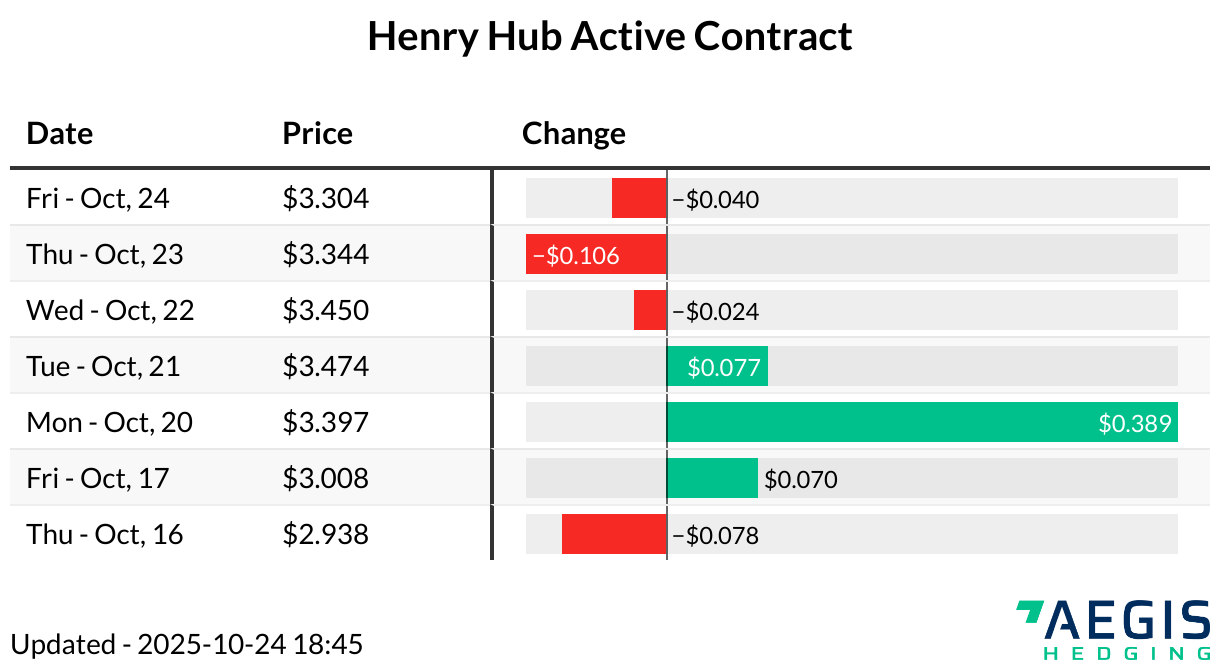
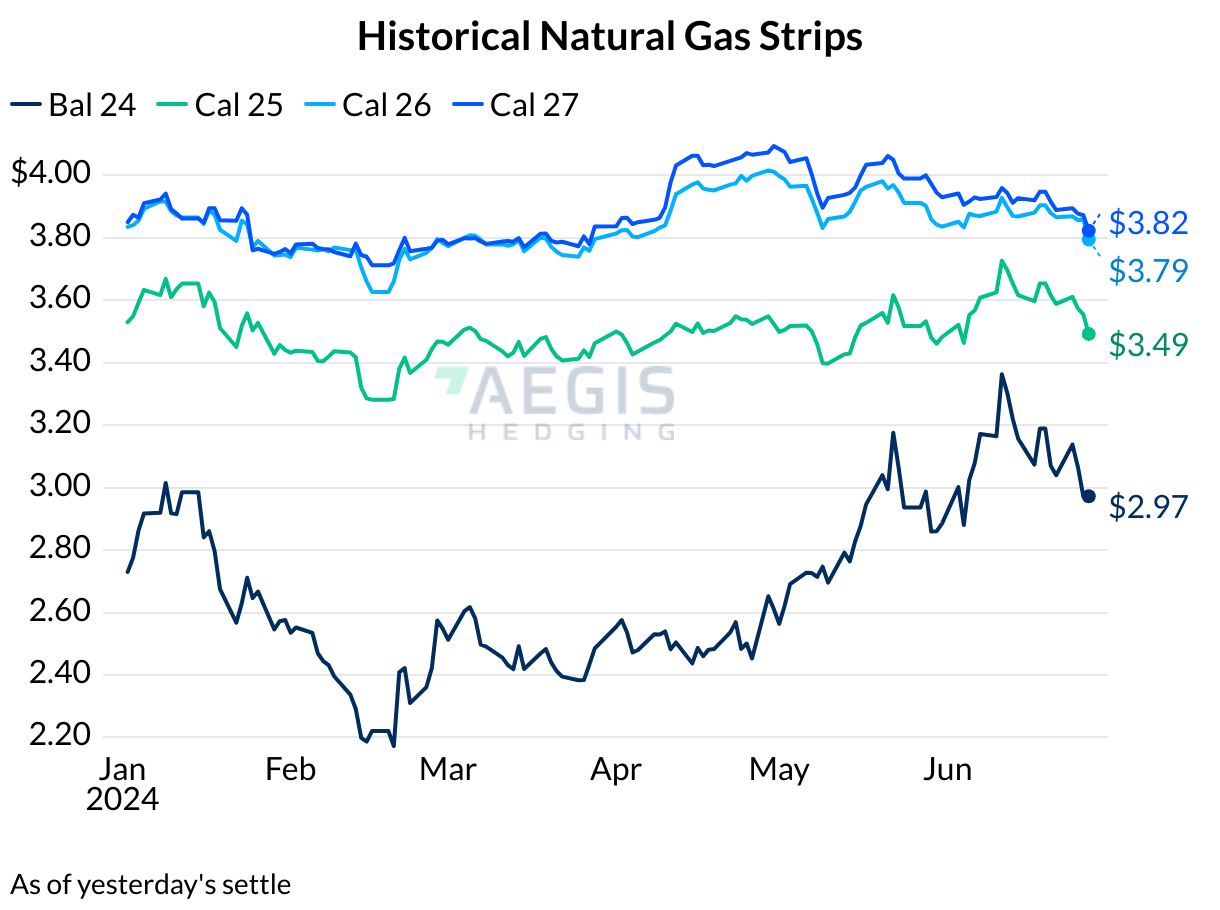
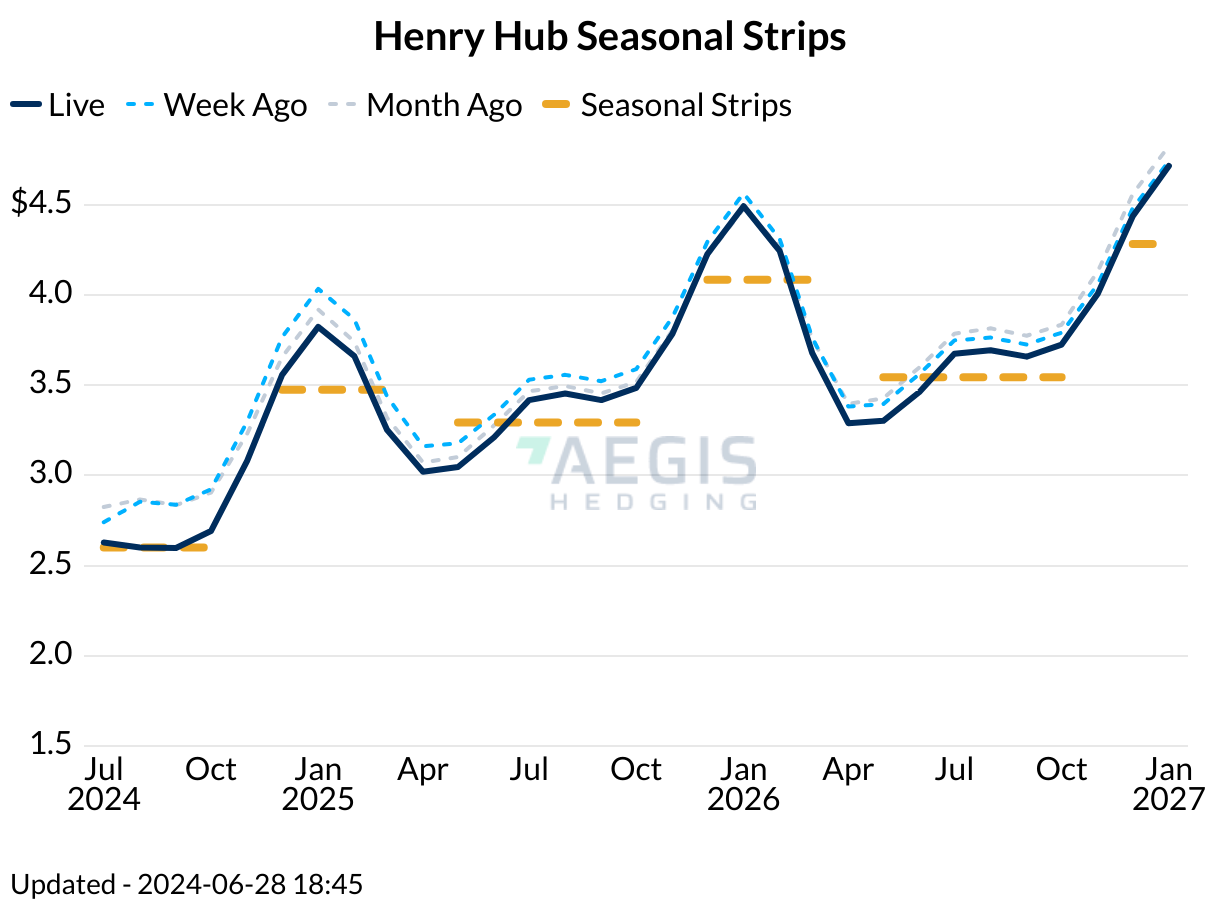
Natural gas rebounds after multiple days of losses
The February Henry Hub contract is up about 15c this morning, reversing losses from yesterday (8:00 Am)
Lower-48 weather forecasts shifted cooler, with population-weighted average temperatures expected to fall below the ten-year average in the 11-15 day forecast period
Dry gas production continues to average about 108.5 Bcf/d, about 1 Bcf/d lower than the recent peak
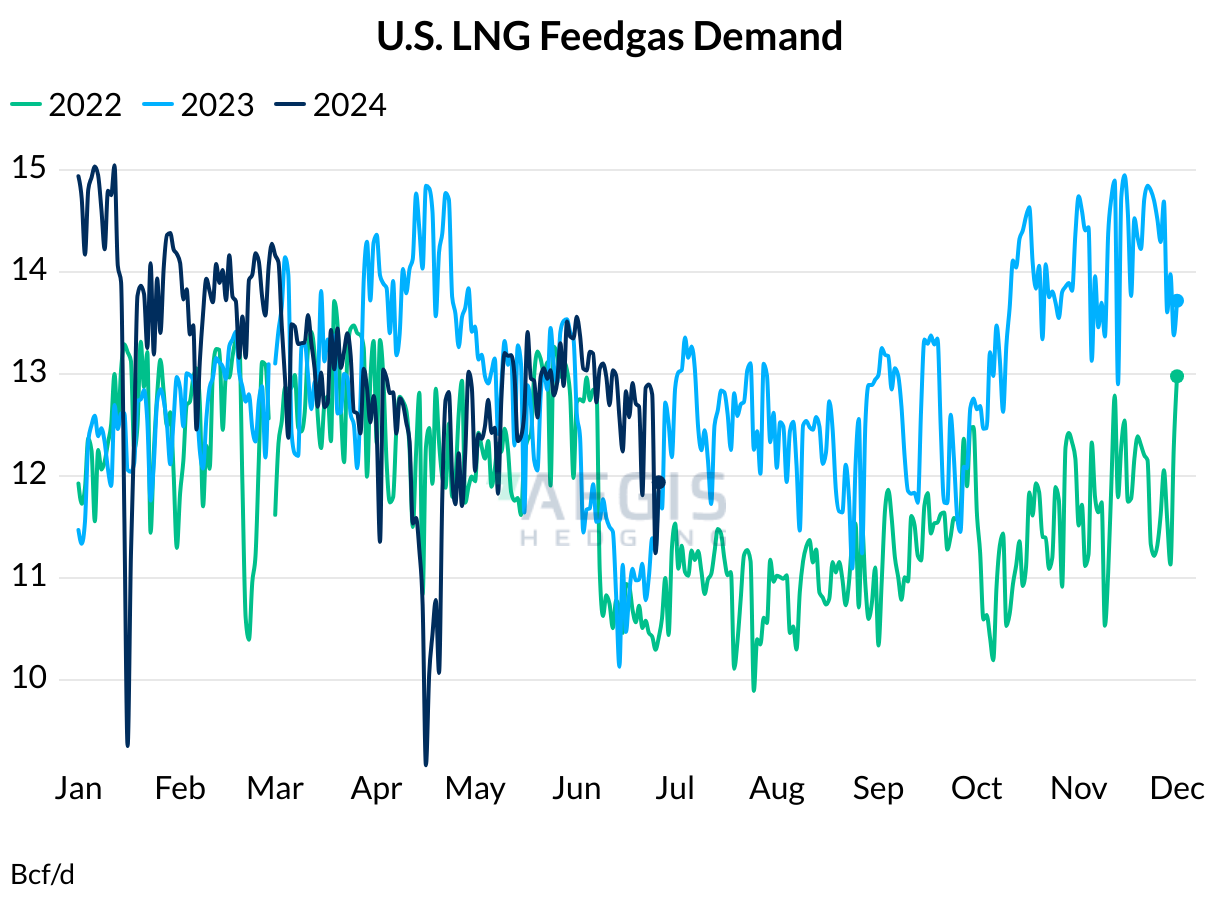
LNG feedgas demand has fallen to 18.6 Bcf/d, down from Decembers high of 20.5 Bcf/d
Goldman Sachs warns of power shortfall by 2030 (Bloomberg)
Almost all US power grids will lack spare capacity by 2030 due to surging electricity demand from data centers
Electrical operators typically target a reserve margin of 15%, but some are already falling short, and the gap is expected to widen by 2030
Higher electricity demand should result in increased gas-fired power demand through the end of the decade
Get market insights delivered to your Inbox every day!