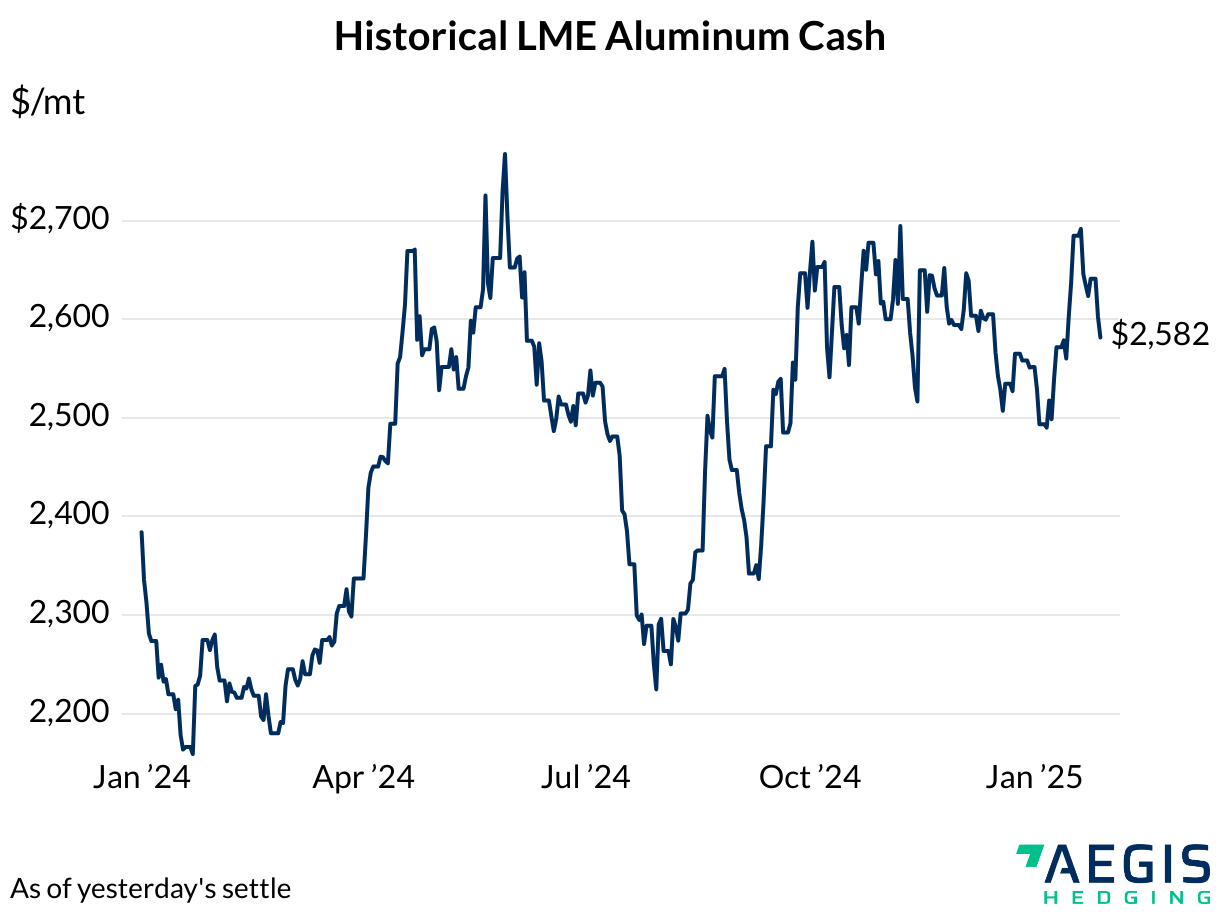
(Bloomberg) – Aluminum prices are poised to fall as global supply rebounds faster than expected, even as data centers and autos offer bright spots for US demand, according to industry research firm CRU Group. But the rally may be about to fade. CRU expects a global deficit of slightly less than 500,000 tons this year to swing to a major surplus next year and in 2028 as Middle Eastern smelters recover from missile damage, and as more supply emerges from China and Chinese-backed projects in Indonesia and Angola. CRU sees LME aluminum cash prices averaging $2,990 in the fourth quarter of this year, down about 16% from the second quarter. They predict that prices will average $3,236 a ton for the full year. A drop in the price of aluminum, widely used in consumer products like beverage cans and appliances, would be a boon for consumers grappling with inflation. But it could prove to be a headwind for plans to expand domestic production of the metal in the US, a centerpiece of Trump’s push to revive US industrial might lost to overseas competition.
Automakers “are considering switching some of the steel to high-strength aluminum” in vehicle structures, said Hervé Gehanno, vice president of commercial global automotive rolled products at US manufacturer Arconic Corp., during a panel discussion this week at the AMU Aluminum Summit in Atlanta, Georgia. Hybrid electric vehicles could boost aluminum use because their combination of combustion engines and electrical systems adds weight that manufacturers will seek to shed elsewhere, Gehanno said.
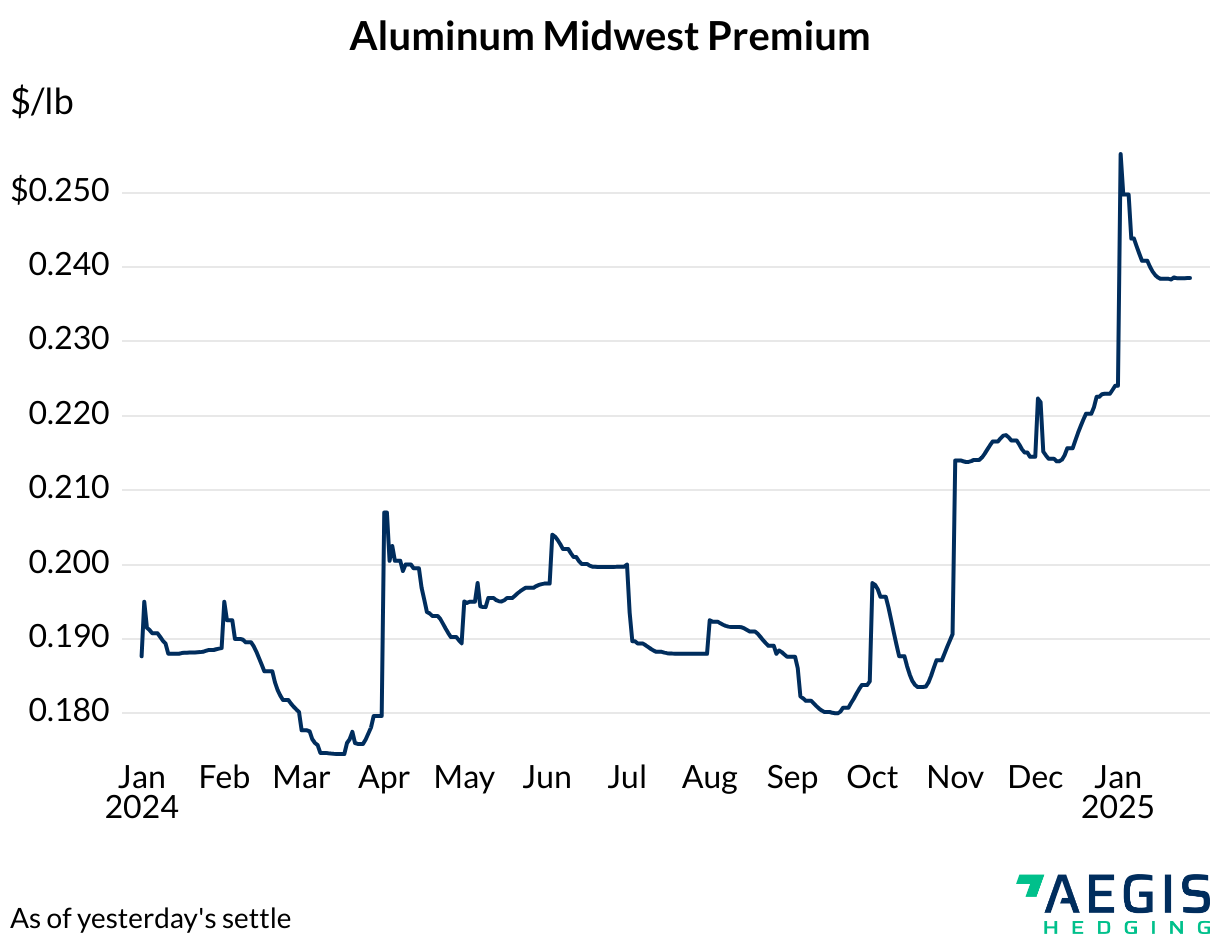
Tariffs make the outlook for the US Midwest premium, or the amount added to global price benchmarks to deliver the metal to that region, harder to call. Trump’s 50% tariff on foreign imports of the metal has driven the premium — a proxy for the amount of money US manufacturers pay to make aluminum products — sharply higher since it came into effect in June of last year. Middle East supply shocks added another boost, with the premium rising more than 20% this year. The industry had increasingly assumed the US aluminum tariff would remain in place at the current level, but recent negotiations with Canada have challenged that view and raised the prospect that the levies could be used as a bargaining tool. Tanners still puts greater odds on the 50% rate staying, while the possibility of a policy shift “should make us a little more unsettled,” she said. Even a tariff cut on imports from Canada wouldn’t necessarily trigger a matching collapse in the Midwest premium. The US would still need imports from other global producers facing higher levies, meaning prices must remain attractive enough to pull that metal into the country, Tanners said.