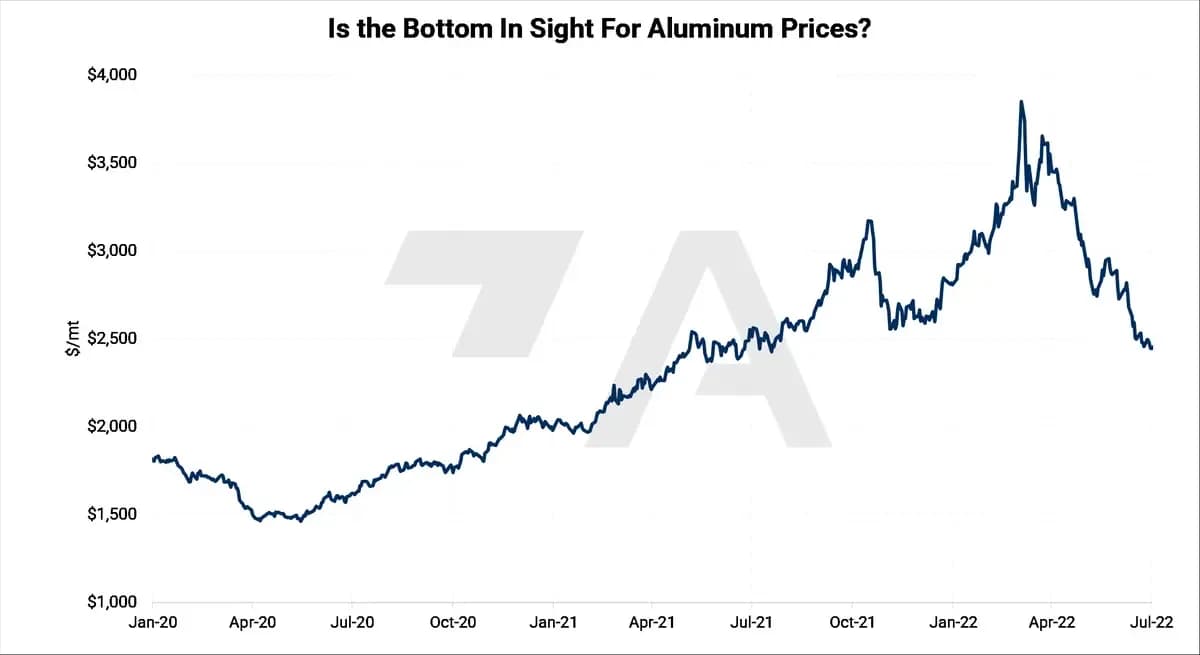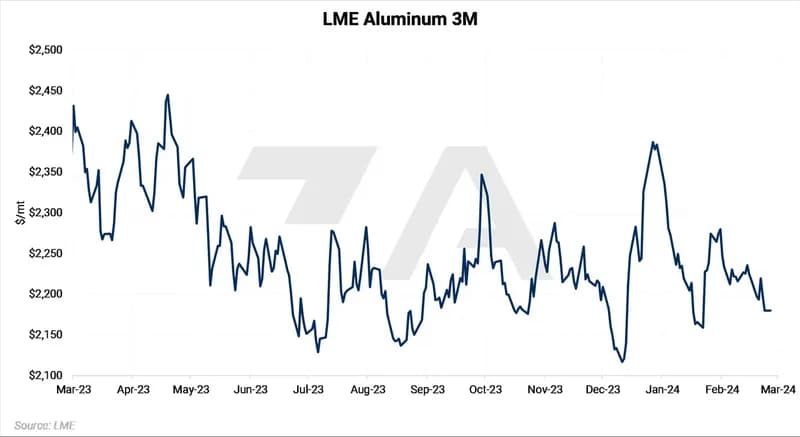
Aluminum prices could be fishing for a bottom. The LME 3M Select contract dropped by 13.1% in 1H 2022 but is nearly unchanged this quarter (11:00 AM CST 8/9/22). European supply issues remain as an energy crunch grips the continent. Several European smelters have closed in 2021 and 2022 due to high electricity costs, and more curtailments could occur if energy prices stay high or strengthen further. Alcoa’s CEO echoed similar comments late last month, as they estimate that between 10 to 20% of global aluminum smelter capacity was unprofitable in June. Analysts also feel that the recent drop in LME warehouse stocks could be supportive of aluminum prices. LME aluminum stocks sit at 284,275 mt as of this morning and are nearing 22-year lows.
Demand, specifically in the US, seems to be holding strong, especially for imports. Total P1020 aluminum imports from January through June soared by 41.6% to approximately 1.073 million mt, according to US Census Bureau data. However, some vulnerabilities are beginning to show. Market participants interviewed by S&P Global late last week proclaimed that US aluminum import demand could drop in the coming months as automotive demand is starting to show signs of weakness, and rising interest rates are weighing on the housing sector. Also, rising scrap flows are replacing some primary demand as well. Given that other regions (such as China) are seeing slowing demand, could aluminum prices continue the downtrend? Or, with the European supply crunch seeing no end in sight, could supply issues begin to prop up prices? |
|---|
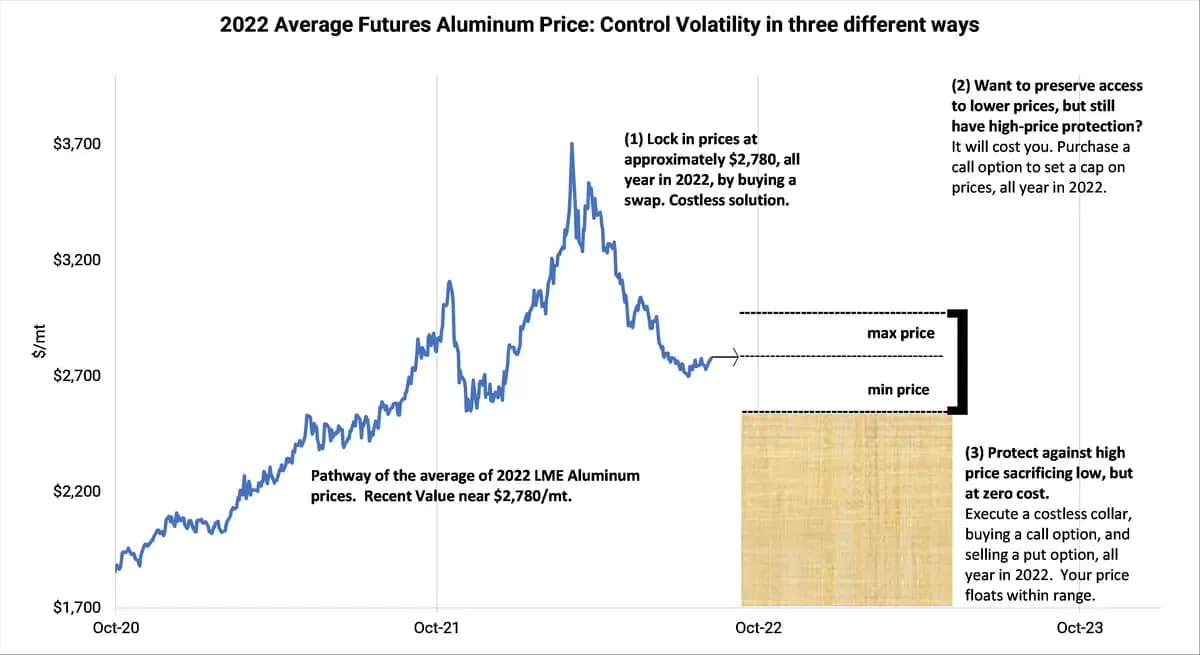
Looking to hedge your aluminum needs and lock supply costs into 2022 and beyond? End-users might consider using the recent dip in prices by applying simple hedges involving swaps and call options. One other possible strategy is a costless collar. In this case, a “zero-cost collar” creates a maximum and minimum aluminum price for an end user, as they would simultaneously buy a call option (creating a cap, or maximum) and sell a put option (creating a floor, or minimum). The call and put premiums offset, making the construction costless. It is popular because of the upside price protection, but you sacrifice access to much lower prices if prices should fall. Such positions are standard for consumer hedging, but they can result in opportunity costs or cash costs if metal prices decrease. Please contact AEGIS for specific strategies that fit your operations. |