What is the Good Neighbor Plan?
The EPA’s final Good Neighbor Plan requires emissions reductions from power plants and industrial sources that pollute across state lines to align with the Clean Air Act deadlines for states to achieve the 2015 Ozone National Ambient Air Quality Standards (NAAQS).
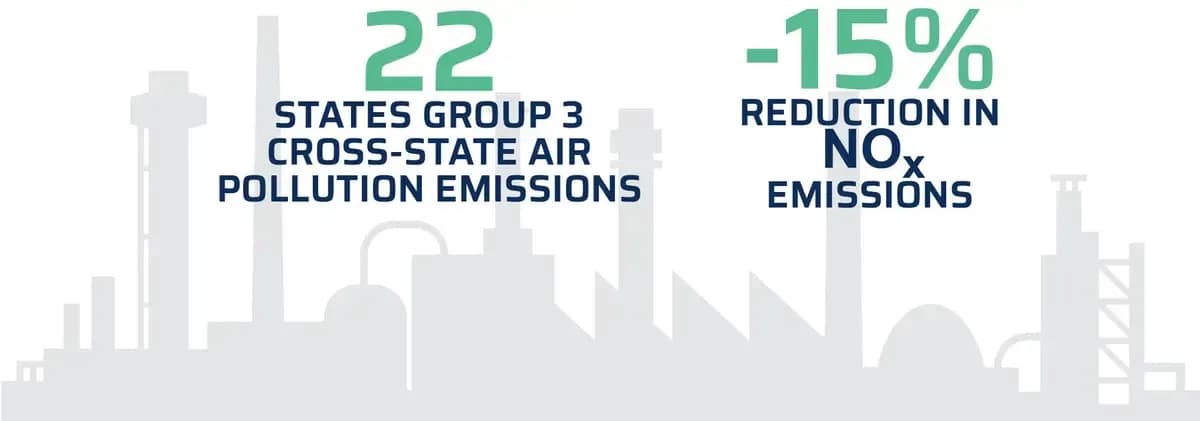
The Good Neighbor Plan ensures that 22 states will meet the Clean Air Act’s “Good Neighbor” requirements by reducing pollution that significantly contributes to problems attaining and maintaining EPA’s health-based air quality standard for ground-level ozone in downwind states.
When did the Good Neighbor Plan go into effect?
On March 15, 2023, the U.S. Environmental Protection Agency (EPA) issued its final Good Neighbor Plan, securing significant reductions in ozone-forming emissions of nitrogen oxides (NOx) from power plants and industrial facilities. This final rule requires emissions reductions from power plants and industrial sources that pollute across state lines to align with the Clean Air Act deadlines for states to achieve the 2015 Ozone National Ambient Air Quality Standards (NAAQS):
- The new rule will become effective 60 days after being published in the Federal Register, August 4, 2023.
- Further emissions reductions will phase in at the beginning of the 2026 ozone season; August 2024 for Moderate non-attainment areas and August 3, 2027 attainment date for Serious non-attainment areas.
States affected by Good Neighbor Plan
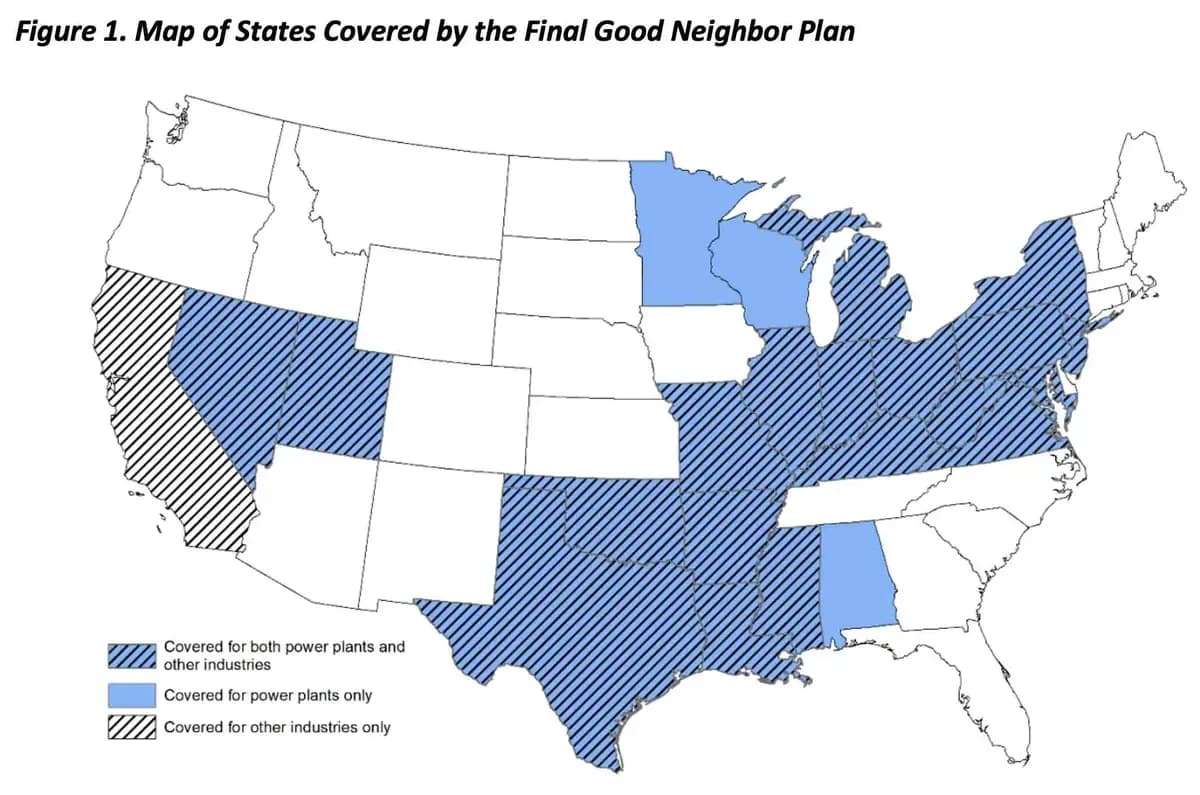
The final Good Neighbor Plan, once effective, will now include 10 more states in Group 3, making a total of 22 states, that must achieve additional reductions in NOx pollution to fully resolve their outstanding Good Neighbor obligations for the 2015 ozone NAAQS. The EPA plans to allow sources currently in Group 2 States to convert their banked Group 2 Allowances into Group 3 Allowances, similar to the way that the Revised CSAPR Update conversions took effect in 2021. The EPA’s updated modeling for 2023 suggests that Arizona, Iowa, Kansas, and New Mexico may be significantly contributing to nonattainment or maintenance in downwind states. The EPA plans to undertake additional assessments for these states and will address Good Neighbor obligations for these states in the future if deemed necessary.
The EPA’s updated modeling analysis also confirms that Delaware is not significantly contributing to downwind ozone air quality problems. As a result, the Agency is withdrawing the proposed error correction and Good Neighbor Plan for Delaware.
Lastly, the EPA is deferring final action on the Agency’s proposed Good Neighbor Plans for Tennessee and Wyoming pending further review of the updated air quality and contribution modeling and analysis.